REMEMBER: your food will need to be:
80% meat, 10% bone, 5% excreting Organ meat, 5% Liver
NO VEGGIE OR FRUIT ADDED (can cause bloat)
NO "TREATS" FOR 2 WEEKS
AFTER YOU GET PUPPY HOME
WHY ?
because owners ruin a puppy's gut health and Appetite with "treats"
Then they email me with complaints, prompting me to play detective.
The one common thing is, adding "treats"
so we want our pet owners to keep our pups healthy
for at least the first 2 weeks
Then when owners add, kibble food or RAW with veggie and or fruit
and or treats to their diet, well, we both know
what is causing puppy to have an upset tummy or weird poops.
WATCH THIS RAW FEEDING VIDEO
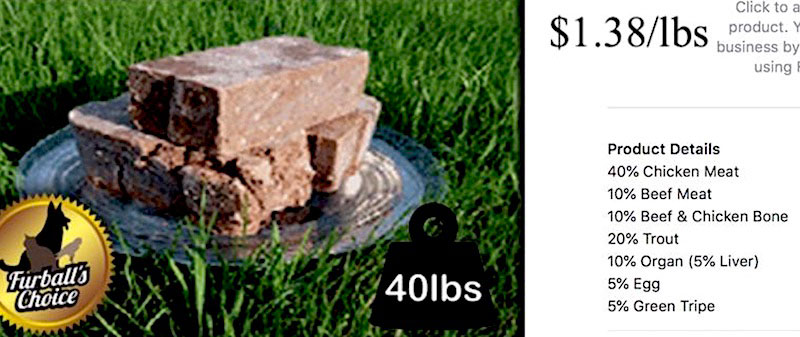
your puppy was weaned onto "RAWDOGFEED"Name Brand Food
CONTAINING:
40% Chicken
10% Beef
10% beef and chicken bone
20% Trout
10% organ (5% Liver)
5% Egg
5% Green Tripe
YOU can start your puppy on Beef or Chicken protein as long as is properly
REMEMBER: your food will need to be:
80% meat, 10% bone, 5% excreting Organ meat, 5% Liver
AND puppies go through being anemic, so dark meats are preferred.
If dietary sensitivity ocurres (rare with raw) then switch to a non-feathered Protien.
*Click here for more RAW feeding info
In Canada these are the Companies I would recommend:
Raw Ground with Organ (no fruit or veggie added)
RAWDOGFEED Ontario
Healthy Choice Raw deliver to TO (carry RAWDOGFEED)
RAW Performance they deliver
Heronview Raw & Natural (Supermix)Pickering, ON
Congo Raw Ontario
Big Country BLEND mix (has Tripe) Ontario
Big Country PURE Mix Ontario
K9 RAW Trent Lakes, Ontario
Ironwill RAW
RAW dog company (newer in Cambridge, ON)
The Complete K9 (Lacombe County, Alberta)
Grand Dog - Alberta
UNITED STATES :
Try to find a company that has no seeds, fruit or vegitables
Ordering in BULK will be cheaper
I have also learned about HPP - so best food has
NO High-Pressure Processing if possible.
Blue Ridge Beef
Carnivore Carry Out- is a co-op so everyone saves $$
Carnivore Carry Out Delivery Locations
(CCO'S Web page has amazing information)
Stella and Chewys
List of USA Raw Food Co-Ops
Steve's Real Food
BJ Food
Raw Food Florida
Obey the Paw
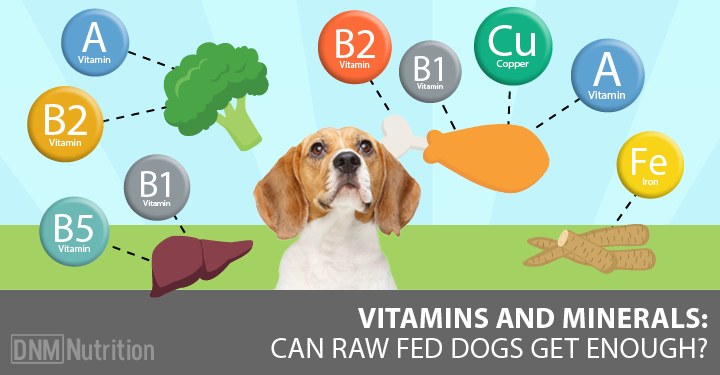
Could Your Raw Fed Dog Be Lacking
Important Vitamins and Minerals?
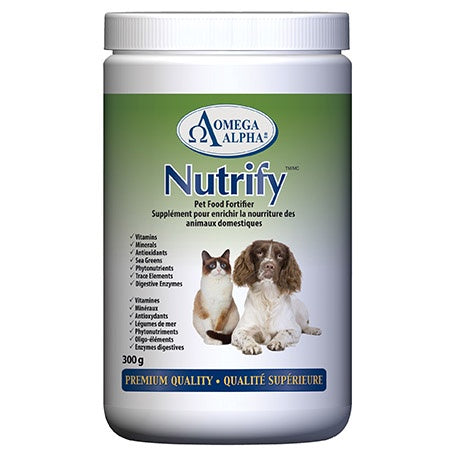
Nutrify - Bijou Standard Poodles do NOT add anything to our Poodle diet
However if you want to add anything, this product is what a lot of breeders use
PET FOOLED
!! WATCH a documentary on Kibble !!!
First, let me say that I have fed kibble since 1980's
and had many Champions and no issues with kibble until the last decades.
Things change and I guess, so did the kibble industry, adding more and more chemicals.
So I had to change too.
I have chosen RAW because so many dogs were getting ill on kibble. ALL breeds, ALL ages.
Exocrine Pancreatic Insufficiency (EPI), Thyroid issues (Hyperthyroidism),
Dilated Cardiomyopathy (DCM)
So many food recalls, kibble with poison or medical waste in them too.
(Grain Free diet, Causes Dilated Cardiomyopathy (DCM))
Feeding RAW (with NO VEGGIES OR FRUIT) will also help to avoid Bloat and Megaesophagus
(which is caused by eating Kibble).
OK... feeding RAW can be as simple, or confusing as you make it.
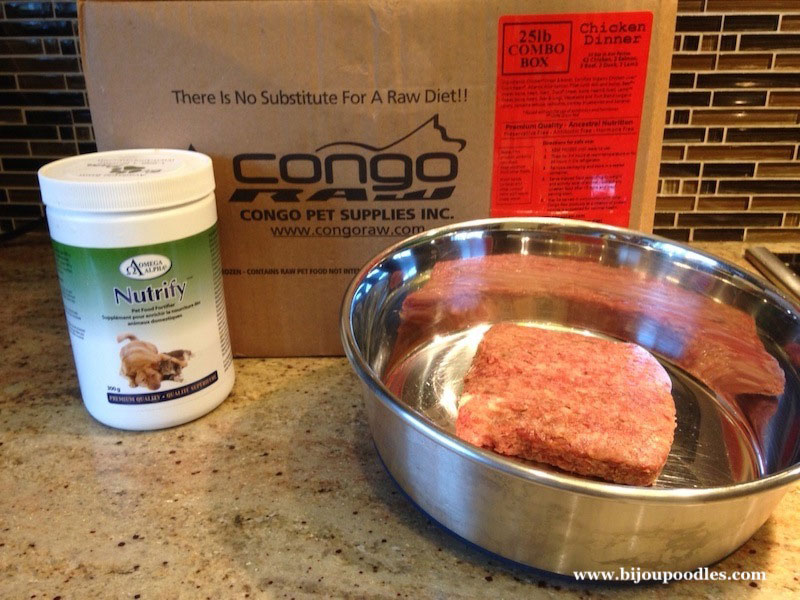
Easiest way, is to give them a quality formulated premixed patty.
Just give them a patty that they eat up within 5 minutes = DONE.
"google" RAW dog food suppliers near you now, before puppy comes home.
Myself I google "cheapest RAW food near _______" and see what comes up.
AND join or search through a RAW DOG FOOD group for your state or city on Facebook !!
Many times a local facebook group will share the best place to find quality RAW food for you.
Usually within 30 minutes I find a couple suppliers, for food under $4.00/lbs and you can to !
!! NEVER FEED DEHYDRATED !!
The nutritive value of food is affected by the dehydration process.
Vitamins A and C are destroyed by heat and air. Using a sulfite treatment prevents
the loss of some vitamins but causes the destruction of thiamin.
Best from a local maker, that blends correctly
(not too much fat content or will inflame pancreas)
or a local Butcher that will do up a blend for you in bulk for cheap.
The Basics: What do I feed, how often, and how much?
I FEED 10% of puppy's current body weight, as is just easier to figure out
and I feel they will get enough food.
**Amounts for adults and puppies should always be adjusted
based on body condition. This is just a general guideline**
HOW DO I KNOW WHAT MY PUPPY WILL WEIGH AS AN ADULT ?
For your female puppies, look at what their mom weighs, males look at what the dad weighs
(My poodle weights are on their web pages)
USE COMMON SENSE, if puppy seems too slim = feed more
if puppy seems too fat = feed less or skip a meal
DO NOT gage amounts, by how much puppy will gobble up,
because they will gobble RAW like they are STARVING every meal.
This is normal because RAW is so dang delicious to dogs.
Feeding:
young puppy 4-5 times/day.
Puppies at 3-4 months should be fed 2-3 times a day.
Puppies 6 months and older can be fed 2 times a day.
Adult dogs 1 year and older can be fed once or twice a day,
depending on what works for that particular dog.
If your adult dog is getting bile pukes on 1 meal a day, you may need to feed twice a day.
Also varying the time of day that your dog is fed can help avoid bile pukes.
Feeding RAW daily should cost you the price of a Star Buck coffee
(Congo RAW food comes in a box, just like frozen human hamburg patties )
If you buy prepackaged, prepared frozen RAW patties
OR
there is Freeze Dried RAW, in which you add hot water and mix
that is pretty easy, to feed pups 2x a day or ideally 3x a day as a puppy.
Frozen or Freeze Dried, the companies have the
nutritional balance, all figured it all out for you. But is pricier.
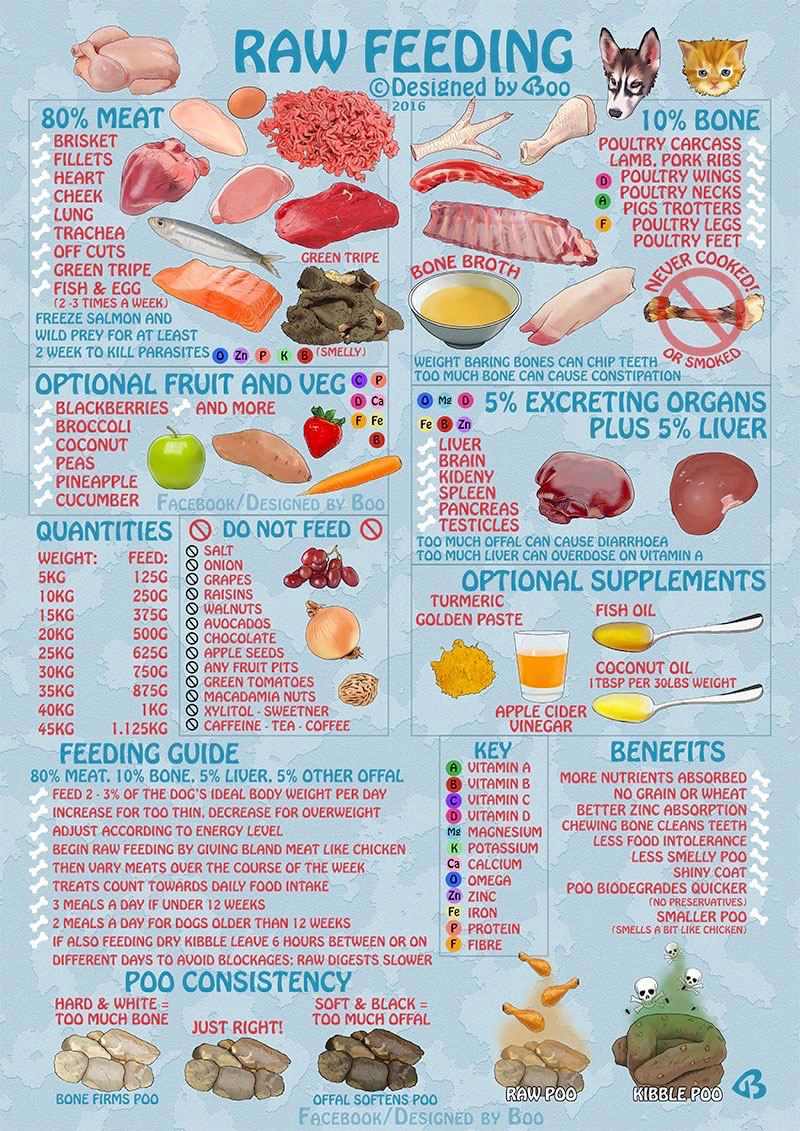
* CLICK FOR MORE OPTIONS ON BOTTOM OF THIS PAGE
*DO NOT FEED Dehydrated Food
as nutritional content is compromised.
Do not ask me about food options in person
as even I need to refer to this web page.
My dog gobbles like he is starving
Dogs will gulp RAW up usually within 5 minutes or less, DONE.
DON'T WORRY they are not starving, this is normal, for dogs eating good food.
Myself if a puppy is lean, I FEED MORE each meal.
What should I add to my puppies food
Nothing, if you are feeding and rotating RAW diet
your puppy will not want for anything nutritionally.
You could get runny or mucas poops if you add any crap to their food.
Lots of people add Salmon oil, be careful as goes bad fast and You won't notice.
However, feeding Frozen Sardines (source of taurine), Chicken Feet, Pig tail, Pork hock
Riblet, split pig feet, rabbit ears as treats will help tire puppy out and aid
with teething. I give my kids "bones" every other day.
When older I give them a Chicken carcass, pork hocks, turkey necks (supervised) for alternate meals
My puppy has Food allergies
OK stop and think about it.
What, and how many diseases, have you chosen to inject into your puppy (ie vaccines) ?
Are you applying flea/tick/heart worm pesticides ?
(NEVER EVER give oral flea/tick poisons, dogs die on that)
if you answered yes, you are poisoning your dog with pesticides and you believe
instead, that it is the "food" causing issues ? REALLY ?
Well, lets go with that thought. Try Feeding a different protein one without feathers
ie not poultry and no eggs and see if you get an improvement in 6-8 weeks time.
Choices would be beef, pork, venison, rabbit, anything without feathers.
DO NOT believe the vet and go on their junk food diets $$ and pills $$ that totally
ruin a dog's GI system, and the problem will now snowball until they send you to a specialist
and or recommend doing a GI biopsy which "surprise" shows inflamed bowel (well duh).
Then you will wish to return the dog to me
I shake my head that my advise was ignored
I take it off ALL the medications and kibble and crap the Vet had them on
put the dog on RAW, and we have no more problems. Been there had this happen 2x now !
My puppy has weird Poop
When switching to "your", RAW diet, expect wonky mucous poops
for 2-7 days while puppy gets adjusted to your food.
Especially if you have chosen a food that has Veggie and or Fruits in it.
My dogs and pups have never had that. AND you also can't resist and have
been giving puppy TREATS (aka CANDY).
*Please note: one adverse effect of Vaccines, is diarrhea.
If you are concerned, take a photo and email me the photo of the poop.
we really recommend your first and only vaccine for puppy's first year
be at 16 weeks of age, OR Titre at 16 weeks of age, to see if puppy needs vaccine.
Treatment for Vaccinosis symptom of diarrhea: Silica, Thuja (you can give as a preventative)
MY puppy has not pooped Today !!
Puppy might not poop for 24-48 hours when they first come home.
DO NOT PANIC. New Surroundings, lots of excitement can cause this.
As long as pups are active and eating and driking, they are fine
and will poop when they are "relaxed" and comfortable in their new home.
My puppy is not drinking water
Puppies also drink WAY less water on RAW, as RAW, is already hydrated.
If you are concerned and wish to interfere, you can add water to the mix
My dog is having reflux or puking on RAW.
Well here is the thing. RAW digests fast and puppies on a routine
anticipate when their meal is coming, and so does their body.
Their little tummy's start to gear up and produce acid, to get ready for that meal.
SOLUTION feed at different times each day, every day, so puppies body does not anticipate.
You can also feed smaller meals, more times at different times a day.
Myself I found feeding BIGGER meals 3x a day solved this with my one girl.
I also leave kibble out (she is an adult not a puppy) for her to graze on.
and she will nibble around 9:00pm but not enough for a meal just to fill that munchy.
Many RAW feeders are totally against kibble, so I'm probably really rocking the boat by
saying this... but once the pups are potty trained reliably... leaving kibble out 24/7
has been helpful for me. The rest of my kids won't touch the kibble
instead preferring to wait for that RAW meal.
OTHER CONSIDERATIONS: New food, pups can be excited about and GULP and eat too much of
Think how you feel after going to a Buffet or smorgasbord
well they can't undo their pants, so they puke it up.
OR
food might have veggie or fruit in it, that puppy needs to get adjusted to.
I never sweat the small stuff, you would drive yourself crazy with a puppy
so as long as the poops look good and puppy is acting normally then just the food
or routine or amount of food given needs to be adjusted.
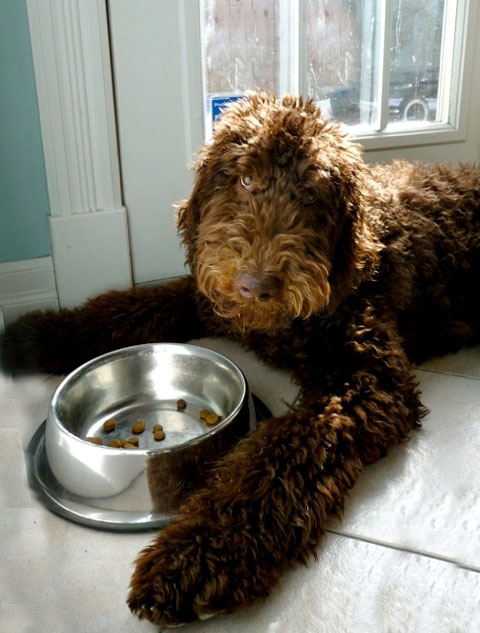
KIBBLE FEEDING
You are not going to get as healthy a dog
with as thick healthy a coat or shiny white teeth with no skin issues
or GI issues, on kibble as you would get with RAW.
If you insist on feeding kibble, know you will eventually experience
yeast infection in the ears, GI upset, tartar on teeth and skin lumps
So if you add up the Vet bills in treating all this kibble related issues
compared to the cost of RAW, well... I think RAW wins.
Leave your kibble out 24/7 for grazing, which we all know is how poodles eat kibble
Proplan Sport chicken is what all the dog show handlers are using.
Their poops were better than they had been on other kibbles I have tried.
The ingredients are crap but, I can't argue with results of firm poops and Champions.
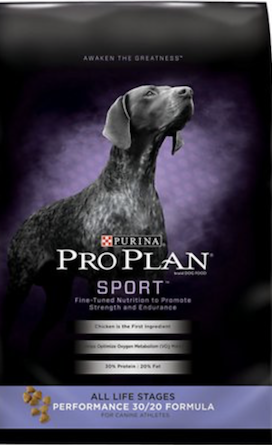
Purina Pro Plan SPORT - Performance 30/20 Formula Dry Dog Food
CLICK FOR MORE INFORMATION
RETURN TO BIJOU HOME PAGE
80% meat, 10% bone, 5% excreting Organ meat, 5% Liver
NO VEGGIE OR FRUIT ADDED (can cause bloat)
NO "TREATS" FOR 2 WEEKS
AFTER YOU GET PUPPY HOME
WHY ?
because owners ruin a puppy's gut health and Appetite with "treats"
Then they email me with complaints, prompting me to play detective.
The one common thing is, adding "treats"
so we want our pet owners to keep our pups healthy
for at least the first 2 weeks
Then when owners add, kibble food or RAW with veggie and or fruit
and or treats to their diet, well, we both know
what is causing puppy to have an upset tummy or weird poops.
WATCH THIS RAW FEEDING VIDEO
your puppy was weaned onto "RAWDOGFEED"Name Brand Food
CONTAINING:
40% Chicken
10% Beef
10% beef and chicken bone
20% Trout
10% organ (5% Liver)
5% Egg
5% Green Tripe
YOU can start your puppy on Beef or Chicken protein as long as is properly
REMEMBER: your food will need to be:
80% meat, 10% bone, 5% excreting Organ meat, 5% Liver
AND puppies go through being anemic, so dark meats are preferred.
If dietary sensitivity ocurres (rare with raw) then switch to a non-feathered Protien.
*Click here for more RAW feeding info
In Canada these are the Companies I would recommend:
Raw Ground with Organ (no fruit or veggie added)
RAWDOGFEED Ontario
Healthy Choice Raw deliver to TO (carry RAWDOGFEED)
RAW Performance they deliver
Heronview Raw & Natural (Supermix)Pickering, ON
Congo Raw Ontario
Big Country BLEND mix (has Tripe) Ontario
Big Country PURE Mix Ontario
K9 RAW Trent Lakes, Ontario
Ironwill RAW
RAW dog company (newer in Cambridge, ON)
The Complete K9 (Lacombe County, Alberta)
Grand Dog - Alberta
UNITED STATES :
Try to find a company that has no seeds, fruit or vegitables
Ordering in BULK will be cheaper
I have also learned about HPP - so best food has
NO High-Pressure Processing if possible.
Blue Ridge Beef
Carnivore Carry Out- is a co-op so everyone saves $$
Carnivore Carry Out Delivery Locations
(CCO'S Web page has amazing information)
Stella and Chewys
List of USA Raw Food Co-Ops
Steve's Real Food
BJ Food
Raw Food Florida
Obey the Paw
Could Your Raw Fed Dog Be Lacking
Important Vitamins and Minerals?
Nutrify - Bijou Standard Poodles do NOT add anything to our Poodle diet
However if you want to add anything, this product is what a lot of breeders use
PET FOOLED
!! WATCH a documentary on Kibble !!!
First, let me say that I have fed kibble since 1980's
and had many Champions and no issues with kibble until the last decades.
Things change and I guess, so did the kibble industry, adding more and more chemicals.
So I had to change too.
I have chosen RAW because so many dogs were getting ill on kibble. ALL breeds, ALL ages.
Exocrine Pancreatic Insufficiency (EPI), Thyroid issues (Hyperthyroidism),
Dilated Cardiomyopathy (DCM)
So many food recalls, kibble with poison or medical waste in them too.
(Grain Free diet, Causes Dilated Cardiomyopathy (DCM))
Feeding RAW (with NO VEGGIES OR FRUIT) will also help to avoid Bloat and Megaesophagus
(which is caused by eating Kibble).
OK... feeding RAW can be as simple, or confusing as you make it.
Easiest way, is to give them a quality formulated premixed patty.
Just give them a patty that they eat up within 5 minutes = DONE.
"google" RAW dog food suppliers near you now, before puppy comes home.
Myself I google "cheapest RAW food near _______" and see what comes up.
AND join or search through a RAW DOG FOOD group for your state or city on Facebook !!
Many times a local facebook group will share the best place to find quality RAW food for you.
Usually within 30 minutes I find a couple suppliers, for food under $4.00/lbs and you can to !
!! NEVER FEED DEHYDRATED !!
The nutritive value of food is affected by the dehydration process.
Vitamins A and C are destroyed by heat and air. Using a sulfite treatment prevents
the loss of some vitamins but causes the destruction of thiamin.
Best from a local maker, that blends correctly
(not too much fat content or will inflame pancreas)
or a local Butcher that will do up a blend for you in bulk for cheap.
The Basics: What do I feed, how often, and how much?
I FEED 10% of puppy's current body weight, as is just easier to figure out
and I feel they will get enough food.
**Amounts for adults and puppies should always be adjusted
based on body condition. This is just a general guideline**
HOW DO I KNOW WHAT MY PUPPY WILL WEIGH AS AN ADULT ?
For your female puppies, look at what their mom weighs, males look at what the dad weighs
(My poodle weights are on their web pages)
USE COMMON SENSE, if puppy seems too slim = feed more
if puppy seems too fat = feed less or skip a meal
DO NOT gage amounts, by how much puppy will gobble up,
because they will gobble RAW like they are STARVING every meal.
This is normal because RAW is so dang delicious to dogs.
Feeding:
young puppy 4-5 times/day.
Puppies at 3-4 months should be fed 2-3 times a day.
Puppies 6 months and older can be fed 2 times a day.
Adult dogs 1 year and older can be fed once or twice a day,
depending on what works for that particular dog.
If your adult dog is getting bile pukes on 1 meal a day, you may need to feed twice a day.
Also varying the time of day that your dog is fed can help avoid bile pukes.
Feeding RAW daily should cost you the price of a Star Buck coffee
(Congo RAW food comes in a box, just like frozen human hamburg patties )
If you buy prepackaged, prepared frozen RAW patties
OR
there is Freeze Dried RAW, in which you add hot water and mix
that is pretty easy, to feed pups 2x a day or ideally 3x a day as a puppy.
Frozen or Freeze Dried, the companies have the
nutritional balance, all figured it all out for you. But is pricier.
* CLICK FOR MORE OPTIONS ON BOTTOM OF THIS PAGE
*DO NOT FEED Dehydrated Food
as nutritional content is compromised.
Do not ask me about food options in person
as even I need to refer to this web page.
My dog gobbles like he is starving
Dogs will gulp RAW up usually within 5 minutes or less, DONE.
DON'T WORRY they are not starving, this is normal, for dogs eating good food.
Myself if a puppy is lean, I FEED MORE each meal.
What should I add to my puppies food
Nothing, if you are feeding and rotating RAW diet
your puppy will not want for anything nutritionally.
You could get runny or mucas poops if you add any crap to their food.
Lots of people add Salmon oil, be careful as goes bad fast and You won't notice.
However, feeding Frozen Sardines (source of taurine), Chicken Feet, Pig tail, Pork hock
Riblet, split pig feet, rabbit ears as treats will help tire puppy out and aid
with teething. I give my kids "bones" every other day.
When older I give them a Chicken carcass, pork hocks, turkey necks (supervised) for alternate meals
My puppy has Food allergies
OK stop and think about it.
What, and how many diseases, have you chosen to inject into your puppy (ie vaccines) ?
Are you applying flea/tick/heart worm pesticides ?
(NEVER EVER give oral flea/tick poisons, dogs die on that)
if you answered yes, you are poisoning your dog with pesticides and you believe
instead, that it is the "food" causing issues ? REALLY ?
Well, lets go with that thought. Try Feeding a different protein one without feathers
ie not poultry and no eggs and see if you get an improvement in 6-8 weeks time.
Choices would be beef, pork, venison, rabbit, anything without feathers.
DO NOT believe the vet and go on their junk food diets $$ and pills $$ that totally
ruin a dog's GI system, and the problem will now snowball until they send you to a specialist
and or recommend doing a GI biopsy which "surprise" shows inflamed bowel (well duh).
Then you will wish to return the dog to me
I shake my head that my advise was ignored
I take it off ALL the medications and kibble and crap the Vet had them on
put the dog on RAW, and we have no more problems. Been there had this happen 2x now !
My puppy has weird Poop
When switching to "your", RAW diet, expect wonky mucous poops
for 2-7 days while puppy gets adjusted to your food.
Especially if you have chosen a food that has Veggie and or Fruits in it.
My dogs and pups have never had that. AND you also can't resist and have
been giving puppy TREATS (aka CANDY).
*Please note: one adverse effect of Vaccines, is diarrhea.
If you are concerned, take a photo and email me the photo of the poop.
we really recommend your first and only vaccine for puppy's first year
be at 16 weeks of age, OR Titre at 16 weeks of age, to see if puppy needs vaccine.
Treatment for Vaccinosis symptom of diarrhea: Silica, Thuja (you can give as a preventative)
MY puppy has not pooped Today !!
Puppy might not poop for 24-48 hours when they first come home.
DO NOT PANIC. New Surroundings, lots of excitement can cause this.
As long as pups are active and eating and driking, they are fine
and will poop when they are "relaxed" and comfortable in their new home.
My puppy is not drinking water
Puppies also drink WAY less water on RAW, as RAW, is already hydrated.
If you are concerned and wish to interfere, you can add water to the mix
My dog is having reflux or puking on RAW.
Well here is the thing. RAW digests fast and puppies on a routine
anticipate when their meal is coming, and so does their body.
Their little tummy's start to gear up and produce acid, to get ready for that meal.
SOLUTION feed at different times each day, every day, so puppies body does not anticipate.
You can also feed smaller meals, more times at different times a day.
Myself I found feeding BIGGER meals 3x a day solved this with my one girl.
I also leave kibble out (she is an adult not a puppy) for her to graze on.
and she will nibble around 9:00pm but not enough for a meal just to fill that munchy.
Many RAW feeders are totally against kibble, so I'm probably really rocking the boat by
saying this... but once the pups are potty trained reliably... leaving kibble out 24/7
has been helpful for me. The rest of my kids won't touch the kibble
instead preferring to wait for that RAW meal.
OTHER CONSIDERATIONS: New food, pups can be excited about and GULP and eat too much of
Think how you feel after going to a Buffet or smorgasbord
well they can't undo their pants, so they puke it up.
OR
food might have veggie or fruit in it, that puppy needs to get adjusted to.
I never sweat the small stuff, you would drive yourself crazy with a puppy
so as long as the poops look good and puppy is acting normally then just the food
or routine or amount of food given needs to be adjusted.
KIBBLE FEEDING
You are not going to get as healthy a dog
with as thick healthy a coat or shiny white teeth with no skin issues
If you insist on feeding kibble, know you will eventually experience
yeast infection in the ears, GI upset, tartar on teeth and skin lumps
So if you add up the Vet bills in treating all this kibble related issues
compared to the cost of RAW, well... I think RAW wins.
Leave your kibble out 24/7 for grazing, which we all know is how poodles eat kibble
Proplan Sport chicken is what all the dog show handlers are using.
Their poops were better than they had been on other kibbles I have tried.
The ingredients are crap but, I can't argue with results of firm poops and Champions.
Purina Pro Plan SPORT - Performance 30/20 Formula Dry Dog Food
CLICK FOR MORE INFORMATION
RETURN TO BIJOU HOME PAGE